For my recent post, the search engine optimization thing that keeps coming up is link building. It seems a bit technical but really, what is link building? It’s all about link building from other sites.
Consider it to be a vote of confidence from a different website. I’m working on a complete guide for 2026, explaining why it’s important, how it’s supposed to work and what strategies are working now. It’s less about the links and more about the relationships and I am eager to share that knowledge.
Key Takeaways
- In 2026, link building is less about buying links and more about earning them through genuine value and relationships.
- Digital PR and creating original research are top strategies for earning high-quality, authoritative backlinks.
- Platforms like HARO connect you with journalists, offering a cost-effective way to get links from reputable sources.
- Broken link building and unlinked mention outreach are repeatable tactics that can yield consistent results.
- Focusing on topical relevance and building a diverse link profile from authoritative sites is more effective than chasing sheer volume.
What is Link Building?

So, what’s link building? In essence, it’s about acquiring backlinks from other sites. Imagine that someone recommends a book to you and you read it.
If another website links to your site, it is basically telling you that “This content is good, you should check it out. I’ve been doing this for some time and I can say that it’s not as easy as you think it is to simply request links.
So-called “backlinks” are quite an important factor for search engines like Google. These links are seen as endorsements. The greater the number of quality votes you have, the more trustworthy and authoritative your site will be.
Here’s a quick breakdown of why these links matter:
- Authority Boost: Links from reputable sites signal to search engines that your content is reliable.
- Referral Traffic: People clicking on those links come directly to your site, bringing potential customers or readers.
- Discoverability: Search engine crawlers use links to discover new pages, so more links can mean more of your content gets found.
But it’s not simply the number of links, either. The linking site is a critical component, in terms of quality and relevance.
One backlink from a well-established site on your niche is worth much more than a dozen low-quality backlinks. I got in trouble early learning the hard way, focusing more on getting quantity than quality and getting hardly any return.
The whole idea is to make your website a go-to resource, so much so that other sites naturally want to reference it. It’s about building relationships and providing genuine value that earns those digital nods of approval.
Why is Link Building Important for SEO?
Well, why bother with all this link building stuff? To be honest, it’s quite a large deal if you want to have your website be found online.
That’s not only finding, however. You can actually direct traffic to your site with good links. When a well respected blog or news site links to a single of your posts, visitors could click through and read it. Those visitors are referred to you and are interested in your content; that is called referral traffic and it’s wonderful.
Here’s a quick rundown of why it matters:
- Higher Search Rankings: More quality links generally mean better positions in search results, especially for businesses trying to improve their local SEO ranking factors.
- Increased Website Authority: Websites that consistently earn links from other trusted sites build up their own authority over time. This makes search engines see them as a reliable source of information.
- Referral Traffic: As I mentioned, direct visitors coming from other sites can be very valuable.
- Faster Indexing: When search engine bots crawl other sites and find links to yours, they can discover and index your new pages more quickly.
Building links is essentially about earning trust and recognition from other people. No amount of technical wizardry can replace that fundamental reality. It’s about creating something so good that others want to point to it.
Backlinks are an integral part of the way search engines work. They are used to identify the most important and trustworthy pages.
How Does Link Building Work?
Now, how does this concept of link building really work? From my experience, I can say that it isn’t some kind of magic but a process that needs time and effort.
In essence, link building is all about other sites linking to your website. If another website links to the content posted on your site, it means that they trust the content enough and think that it may be useful for their visitors. Search engines notice such links and consider them as votes for your site’s credibility.
Here’s a simplified breakdown of how I see it happening:
- Create Something Worth Linking To: This is the foundation. You need content that people actually want to reference. This could be a super-detailed guide, original research, a helpful tool, or even just a really well-written article on a topic.
- Get Noticed: People need to know your content exists. This involves promotion, sharing your work, and making sure it’s visible to the right audience.
- Earn the Link: Here is where the outreach and networking comes in. You may approach other websites and suggest that they link back to your website, or maybe they will just discover your site after all the promotional efforts you have done.
- Search Engines Index and Rank: Once links are in place, Search engines crawl the web, discover these new links, and factor them into how they rank your site as part of a strong technical SEO foundation.
It is not only the number of links, mind you. What I’ve found out is that it is also all about how valuable the website which provides the link is.
For example, one single link from a highly reputable website within the same industry will be way more valuable than several links from random websites that are of very poor quality.
The whole idea is to create a situation where other website owners want to link to you because your content is useful, informative, or interesting. It’s about being a good digital citizen and providing resources that benefit others. When you do that consistently, the links tend to follow.
Types of Links in Link Building
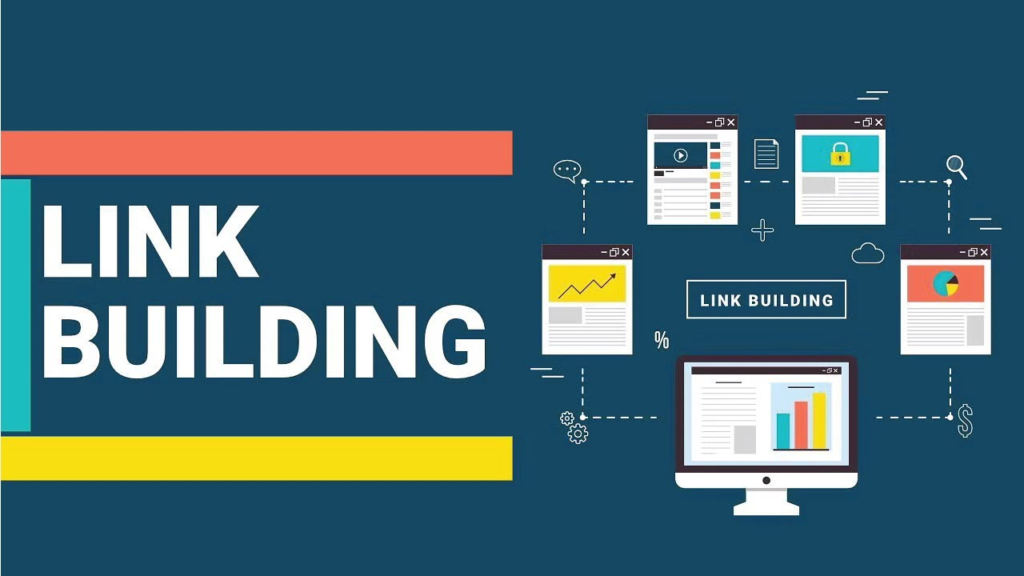
At the early stages of learning about link building, I was quite perplexed by the variety of types of links. The thing is that not all links are alike, and knowledge about their types is vital when trying to build such links. There are several types of links which can be grouped according to various criteria.
Natural Links
This is what makes the holy grail, in all honesty. Natural links will be provided for your site since some person believes that you have really good stuff on your site.
You will receive natural links since nobody asks them to do so; not me, nor anybody working with me or under my supervision.
It can be compared to how some people will tell their friends about an awesome book they read, because they just simply wish to share something awesome. Natural links typically originate from organic discovery of your site, citation of your work, or your site being used as a reference resource.
The best links are the ones you earn, not the ones you ask for. They show that your content is genuinely appreciated and useful to others.
Manually Built Links
That is the realm of most of my link building activities. Manual link building involves all actions that I undertake in order to obtain these links. It might mean reaching out to website owners proposing a link to my page, participating in interviews, collaborations and others.
The process requires active involvement on my part. While the actual cost of acquiring this kind of link may be zero since no money changes hands, I have to put in effort and build relationships in order to make this happen.
Examples of this type of link might include guest blogging, which means writing content for someone else’s blog knowing that I will receive a link back. That is the type of link I actively pursue because they are more difficult to come by than natural links.
Self-Created Links
They are those links that I create myself in areas where I have control over what goes into them. They could include activities such as listing my website in directories, creating social media profiles, and promoting content across multiple platforms, though here again I am extremely selective with my choices; commenting on blogs while placing my links back to my site (only when necessary), and building my social media profiles.
While these links will certainly contribute to the number of links in your website portfolio, you need to realize that search engines may see these links with suspicion. They are seen as having less authority than other kinds of links that one creates. These links should always be done with caution.
Internal Links vs. External Links
This distinction is more about the direction of the link rather than how it was acquired.
- Internal Links: These are the type of links that connect one webpage from my own website to another webpage on my own website. This helps me navigate my website, distributes the link equity across my webpages, and also lets the search engines know about the layout of my website. These links are essential in order to keep my visitors engaged.
- External Links: External links are links that connect a webpage on my website to a webpage on another website or from another website to a webpage on my website. The types of links discussed under the various categories above (natural, manual, or self-built) are all external links for the respective linking websites. For example, whenever I receive a link from another website, it is referred to as an external link for my website. Whenever I place links from my website to another website, then those links are called external links from my website.
Knowing these differences helps me strategize about how I structure my site and how I approach getting links from elsewhere.
Top Link Building Strategies That Actually Work in 2026

Well, here are the actual strategies that have proved their worth for link building in the year 2026. No more old techniques that are already known by the search engines.
Rather, it would be best to emphasize quality over quantity. What worked earlier does not seem to work anymore, and thus it has been realized that it is time to concentrate on the real deal. These are the techniques that one should be considering in order to build good backlinks.
Guest Blogging
Guest blogging still works, but it’s evolved quite a bit since then. You don’t just place a backlink in your author bio like back in the day.
You need to consider reaching out and offering some valuable content on websites within your niche while targeting the right keywords your audience is already searching for.
Your goal will be to offer something valuable to their readership, and in turn, you’ll earn a link back from someone who’s credible.
The sites that I look for when trying to build out links have significant amounts of traffic, which lets me know they’ve earned the respect of the search engines.
Broken Link Building
This tactic requires some detective skills, but it is really efficient. You just identify a dead link on another website using SEO auditing and backlink analysis tools.
After that, you contact the website owner and inform him or her about the dead link. As a result, you can offer your content as a solution. Everybody wins – they solve their problems, and you receive a valuable backlink. Typically, I search for websites with resource pages or article lists because they are supposed to contain external links.
Skyscraper Technique
So far I have seen good results from my use of the Skyscraper technique. The premise behind it is rather straightforward: locate the content in your area which is being discussed by everyone and getting lots of links.
After you found such content, make yours more useful, more up-to-date, visually appealing, and enhanced with modern AI content optimization tools.
And after you finish writing your superior content, contact all those authors who gave links to your inferior competitor content, and introduce to them your superior work. It is quite a challenge but well worth doing if you are confident about your work being better.
Resource Page Link Building
The plan entails searching for resource pages on other sites. This refers to pages created by websites with useful links and resources for their readership.
What I will do in this case is to locate any relevant resource pages and check whether the content I have can be included among their links. This may require some digging to locate these resource pages, but since most of the time, such pages are created by credible websites, they do not mind adding useful links.
HARO (Help a Reporter Out)
Getting links is much easier now that I discovered HARO. Once you register with the site, you get emails every day containing queries by reporters seeking experts on certain topics.
If one such query relates to your expertise, you simply answer with what you know, and if selected by the reporter, you will likely end up getting a link to your website from a trustworthy news or media site.
It’s an awesome way of building your reputation and obtaining links from authoritative sources. Just make sure that you respond promptly and give good answers.
Digital PR and Link Earning
This is when link building proves most effective in 2026. Rather than simply requesting links, my strategy involves creating content or storytelling that the press will be interested in covering.
From conducting original research to presenting compelling data or offering a fresh perspective on an ongoing news event, if I create content that is really worth mentioning, links will follow. Rather than reaching out and asking for a link, my goal is to create content so amazing that the link comes without even having to ask.
Unlinked Brand Mention Outreach
At other times, people will talk about your brand on their site but won’t create a link to your site. To identify such cases, I use some applications.
After identifying them, I contact the website owners and tell them that while they are talking about my brand, there is no link back to my site. They usually oblige and create the link for me because it was nice publicity for me.
Link Reclamation
This resembles unlinked mentions for brands; however, it is based on those links which have once pointed to your website and now are not doing so anymore.
This may happen because of a website design change, broken pages, or relocated information. I will always find such links and try to talk to the owner of that particular site in order to make him restore the link pointing to your website. It’s like finding loose change on the streets – links already given to you and now all you have to do is reclaim them.
Building links in 2026 is less about manipulation and more about creating genuine value and fostering real relationships. The search engines are getting smarter, and they reward authenticity. Focus on creating content that people want to share and building connections with other people in your industry. That’s how you build a strong, sustainable backlink profile.
White Hat vs. Black Hat Link Building

Whenever I tried searching about link building, the concepts of “white hat” and “black hat” always came out. It was very much like a Western movie, but it was really about how links were to be acquired. In a sense, white hat refers to following the rules while black hat means breaking them in search of shortcuts.
White hat link building involves acquiring links through legitimate means. This usually means making great content or something news worthy so that other sites will consider linking to you.
In case of detection, one might end up with serious consequences ranging from getting their websites penalized down to total removal of the page. I know of websites that got punished for trying these short cuts.
Here’s a quick rundown of what I’ve learned to avoid:
- Buying Links: Directly paying for a link is a big no-no. It’s a clear violation of Google’s guidelines.
- Private Blog Networks (PBNs): These are networks of websites created solely to link back to a main site. They are easily detected and can get your entire network penalized.
- Excessive Link Exchanges: While a few reciprocal links are fine, organized schemes to trade links are flagged as manipulative.
- Automated Link Generation: Using bots to post links in comments or forums is just spam and gets ignored or penalized.
The core difference boils down to sustainability and risk. White hat methods build genuine authority and are compliant with search engine guidelines, leading to lasting results. Black hat tactics offer short-term gains at the expense of long-term viability and can result in severe penalties.
There are two ways of gaining visibility through websites – one is called White Hat, while the other is referred to as Black Hat link building.
On the contrary, Black Hat link building is all about trying to deceive the search engine algorithms in order to obtain links, which may be problematic. If you would like to know more about the topic, visit our website.
Wrapping It Up: My Take on Link Building in 2026
So, what’s the bottom line here? As far as I am concerned, one shouldn’t be buying backlinks any more. This strategy seems like a risk because it brings uncertainty along with it.
The best thing I can imagine is investing time into sustainable SEO strategies that continue delivering results long term, which would allow me to create valuable links.
For example, creating content so excellent that someone may wish to refer to it, or even doing something as simple as being recognized in the industry and receiving mentions from journalists.
Such actions do not involve any risks associated with the possibility of penalty and require more efforts and time investment; however, the benefits of having valuable backlinks created as a result can be very significant.
What’s more, they look permanent and add up. I think it is better to invest into growing my website slowly than risking everything to get the results immediately. My next step will be to identify what I have to offer that other websites lack.
Want More Roofing Leads From Organic Search?
Dallas Search Solution builds high-converting city pages, storm damage content, and Google Business Profile systems that generate roofing leads at $20–$60 each — without paying for shared leads or ads that stop the moment you pause them.
Frequently Asked Questions
What exactly is link building?
Link building is like collecting votes for your website. When another website links to yours, it’s like they’re saying, ‘Hey, this is a good resource!’ Search engines see these links as a sign of trust and importance, which helps your website show up higher in search results. I see it as earning recommendations from other sites.
Why should I care about getting links from other websites?
Think of it this way: search engines want to show people the best, most trustworthy information. When lots of other reliable websites link to your content, it tells search engines that your site is valuable and trustworthy too. This helps your site get noticed and ranked better, meaning more people can find it.
Are all links created equal?
Definitely not! A link from a well-known, respected website in your field is much more valuable than a link from a random, unknown site. It’s like getting a recommendation from a famous expert versus someone nobody’s ever heard of. I focus on getting links from sites that are relevant and trusted.
What’s the difference between ‘white hat’ and ‘black hat’ link building?
White hat link building means I follow the rules and earn links naturally, like creating great content or building relationships. Black hat link building involves sneaky tactics, like buying links or using fake websites, which can get my site in trouble with search engines. I always stick to white hat methods because they’re safe and build lasting results.
How can I get other websites to link to my content?
There are many ways! I often create really useful or interesting content that others want to share. I also reach out to other website owners to let them know about my content, especially if it’s a good fit for their readers. Sometimes, I’ll even help journalists by answering their questions, and they’ll link back to me.
Is link building something I can do myself?
Yes, absolutely! While it takes time and effort, I can learn and implement many link-building strategies. It involves creating valuable content, networking with others online, and sometimes doing a bit of detective work to find opportunities. It’s a skill that can be developed with practice.