Well, therefore, I have been working on compiling a guide that would help in making sure that you are able to attract attention to your business in your local area, considering all the changes that have occurred on the Internet platform in recent years.
While there seem to be certain changes taking place every year, the essence of the concept of local SEO still seems quite strong. The local SEO checklist below would be my effort to simplify the task of ensuring that your efforts are fruitful by making sure that you do the needful.
Key Takeaways
- The Google My Business listing is still your primary actor, so update it as if it were a website in miniature form.
- Make sure that all the details of your business listing remain consistent across all the online platforms. This will help build your trustworthiness for Google’s eyes.
- Customer reviews play a significant role, so ensure you earn them, along with responding to them.
- Mobile compatibility and site speed are vital for your website. If it doesn’t meet those requirements, it will lose traffic.
- Local SEO means crafting content around your particular area or neighborhood, making it easier for local searches to find you.
What Is Local SEO and Why Does It Matter in 2026?
Thus, what is local SEO? To put it bluntly, this is how I ensure that my cozy bakery ranks high in the local search for queries such as “best croissants,” “custom birthday cakes,” and so on.
Local SEO is an integral element of digital marketing aimed at ensuring a business’ visibility to the target audience residing in a particular geographical area.
In 2026, local SEO becomes even more crucial. Indeed, the nature of searches performed has shifted significantly since those conducted in 2011.
Now, searches tend to be much more complicated, and there is an increasingly greater role of AI-powered voice search summaries. Businesses which fail to account for this shift will essentially become invisible to their potential customers.
Here’s why I can’t ignore local SEO:
- People are searching locally all the time: It may be about finding somewhere to eat, getting a service provider, or just shopping. My company has to be available during these searches.
- It drives real customers: While online marketing is a general approach, local SEO focuses on consumers who are ready to shop in a nearby place. This increases the probability of conversion greatly.
- It levels the playing field: Smaller businesses such as mine can stand out among larger chains by making themselves relevant to the local community. Proper optimization can lead to great results.
- Search is getting smarter: Thanks to artificial intelligence and voice searches, search engines now aim to provide the best possible response rather than a collection of links. Local SEO will help me establish myself as an appropriate solution for users’ queries.
The goal of local SEO is to make sure that when someone in my town searches for something I offer, my business is one of the first ones they see. It’s about connecting with the community and being the go-to option right in their neighborhood. It’s not just about rankings; it’s about real-world business.
Step 1 – Optimize Your Google Business Profile (GBP)
Well then, let’s start from something fundamental you have to get right to optimize local search engine results for 2026 – Google Business Profile. This will become your virtual storefront and a place to interact with customers on Google. It is critical as all other efforts on optimization that you will learn here won’t bring many results without doing that first.
- Claim and Verify: First thing’s first, claim your listing! If someone other than yourself made this listing, you will need to claim it from them. After this, there is verification.
- Fill Out Everything: We’re not talking about leaving out little things, we mean everything. Google actually favors businesses who have filled out their information completely. This means your business’ title, its address, your phone number (NAP).
- Choose the Right Categories: Your primary category needs to tell Google what it is you do. Then, fill in several secondary categories. These let Google know how people may search for you.
- Write a Great Description: Utilize your business description to include keywords in such a way that they become an integral part of the text. Keep the description informative as well as interesting.
- Add Photos and Videos: Showcase your business by uploading great pictures of your business premises, your staff, your products, and your services. You could also add videos in case that’s possible.
- Enable Messaging: Allow customers to send messages directly through your Google listing. It will help you get in touch with the customers more quickly.
- Define Your Service Areas: In case your business involves reaching out to customers at their location, you should define your service areas. This step is very important for service-oriented businesses.
I’ve seen businesses go from practically invisible to showing up in the top local results just by taking the time to properly fill out their Google Business Profile. It’s not complicated, but it does require attention to detail. Google wants to give users the best possible results, and a complete, accurate profile is a big part of that.
Step 2 – NAP Consistency Across All Directories
Well, let’s begin with NAP consistency. As we all know, NAP consists of Name, Address, and Phone number. It should be treated as an online business card that may vary across many webpages, thus making search engines such as Google confused whether they have found the real thing. And as you understand, it does not do much good for the local search ranking.
So, how should we tackle the problem? The answer lies in the next chapter.
- Figure out your official NAP. This involves establishing how your name, address, and phone number should appear consistently. There are no “St.” vs. “Street,” and no occasional use of “Inc.
- Find where you’re listed.In my case, I would first try looking for my business name and city online using a search engine such as Google. Then, I would try checking the most popular sites such as Google Business Profile, Yelp, Facebook, Bing Places, etc.
- Make everything match. Now go through your listings and make them match your official NAP entry exactly. Having a spreadsheet can greatly help in doing this task.
It might seem like a small thing, but search engines really pay attention to this. When your NAP is consistent across many reputable sites, it tells them your business is legitimate and trustworthy. This is a big signal for local SEO.
Don’t forget to add it to your personal site as well, especially in the footer area. This is an easy way to ensure you stay accurate. Doing so will form an important basis of earning the trust of the search engines and the consumer public as well.
Step 3 – On-Page SEO for Local Rankings
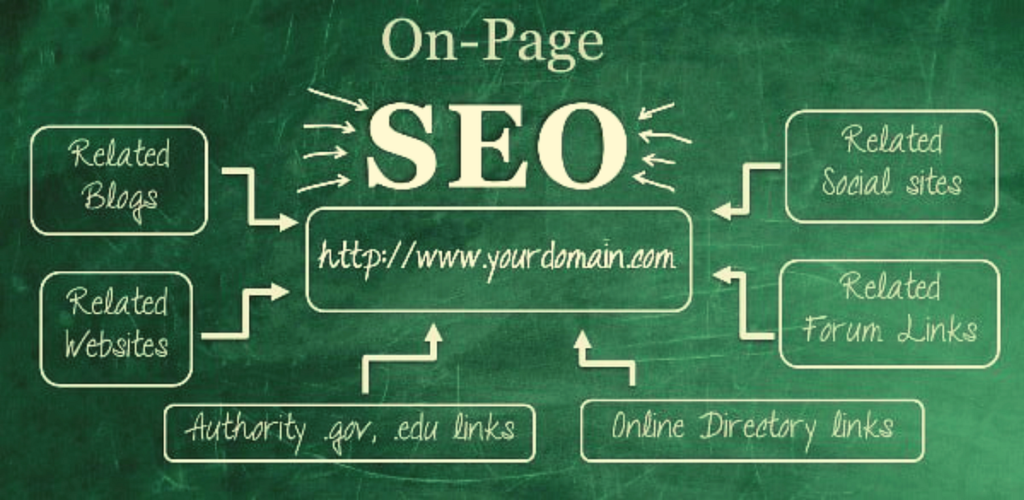
So, you have created your Google Business Profile and ensured that NAP data is uniform across all platforms. Good. But how about your website? On-page SEO for local rankings involves optimizing each page on your website to let search engines know—and even your customers—where you are based and what you offer in that particular locality.
It makes sense to think about how you would set up a sign for your store outside the shop, doesn’t it? The same applies to each page on your website. Let me explain my methodology here:
- Title Tags and Meta Descriptions: This is what people first see on the search engine page. Here I always try to make sure to add the key service I provide along with my location or the specific neighborhood.
- Header Tags (H1, H2, etc.): Similarly, I incorporate the keywords indicating my location in my header tags too. Usually, I have the keyword including the core service and the location in my H1 tag, followed by other tags including the services provided in that particular location.
- Content Itself: Now here is where things get a little more nuanced. Naturally, I’ll be able to integrate references to the city, neighboring towns, or landmarks in my content.
- Schema Markup: This might seem a little technical, but I have found that it makes a world of difference. I’ll use structured data such as LocalBusiness schema on my website to provide important information about myself.
Making your website pages speak the language of local search is key. It’s not just about stuffing keywords; it’s about creating content that genuinely reflects your local presence and serves the needs of people searching in your specific area. This direct relevance signals to search engines that you’re a good match for local queries.
Step 4 – Build and Manage Local Citations
Okay, so how about citations. In essence, you will find citations to be links to websites that include your business name, its location, and contact information, which is commonly referred to as an NAP.
While it may seem rather simple, proper citations are important since Google and other search engines determine whether you are credible and what your location is based on them.
For example, you may have some variation of your address on Yelp compared to Facebook, making your citation inconsistent and confusing for search engines. As a result, your visibility may suffer.
What then should one do?
- Start with the big players: Make sure you’re listed and accurate on the major listing services such as Google My Business (which we discussed before), Yelp, Facebook, and Apple Maps. These will likely be the primary sources someone searches through to find you.
- Hunt down niche directories: Don’t forget to look into the niches that may have relevant directories for you. Do you specialize in plumbing? Look for plumbing directories.
- Keep a master list: It is time to start keeping track of every citation you generate and discover. This will allow you to know what listings are available, what needs fixing, and what may be missing from the list.
- Clean up duplicates: It is possible that, despite your best efforts, your company might end up with duplicate listings.
Getting your business information right across various online platforms acts like a stamp of approval for search engines. It tells them, ‘Yep, this business is real, and here’s where it is.’ This simple act builds trust and directly impacts your visibility in local search results.
However, with a little work, organizing these citations can go a long way. It is all about making it easier for search engines as well as prospective customers to locate accurate details regarding your company.
Step 5 – Generate and Respond to Customer Reviews
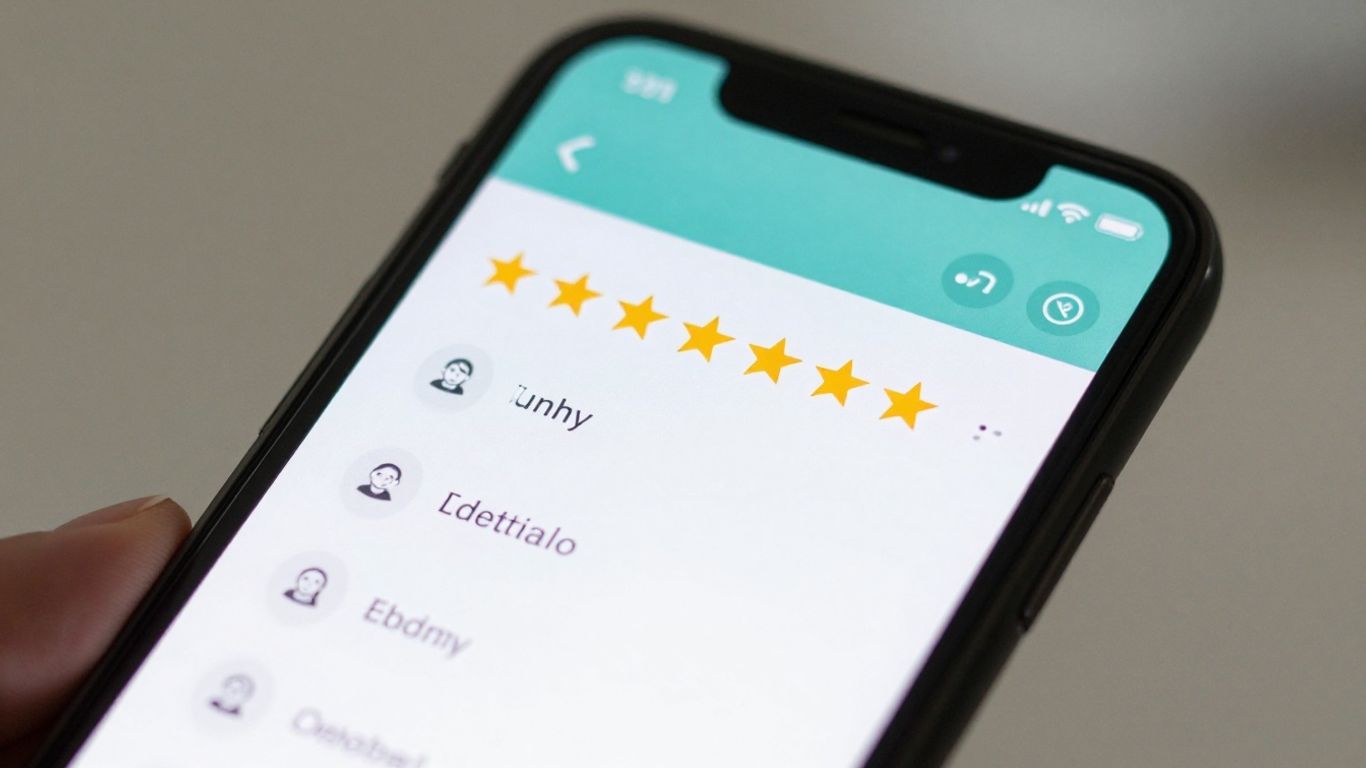
Well, then there are the reviews. For some time, I considered them an accessory rather than an indispensable element, but nowadays, reviews are crucial for local SEO. It is not only about receiving stars; it is about what customers write and how businesses handle this information. Reviews are very important for search engines like Google. Reviews represent the credibility and reputation of your company.
Here are several pieces of advice on managing reviews:
- Actively Ask for Them: Don’t just sit back and hope that people will leave a review on your business. Instead, make it easier for satisfied customers to write reviews by creating a link to your Google review page. Ensure that your employees know how to ask for a review when a customer tells you how much he or she loved your product. Creating a goal of receiving five new reviews per week will go a long way toward making this happen.
- Respond to Everything: Responding to reviews is extremely important because it allows you to engage with your audience. This is especially true if someone left a five-star review since they were very pleased with your product. It’s equally important to acknowledge negative reviews because it shows that you’re willing to address your clients’ concerns. Try to respond within 24-48 hours. Although it helps to have some pre-written templates available, don’t forget to include a personal touch.
- Monitor Across Platforms: It is possible that your company is listed on Yelp, Facebook, and others. You have to monitor all these channels. It might sound overwhelming, but using some sort of software to manage all the reviews in one single location can be extremely helpful.
The actual words customers use in their reviews are gold. Search engines analyze this text. When someone asks for a recommendation, the AI can pull phrases directly from your reviews. So, the more detailed and positive feedback you get, the better your chances of showing up when people search for services like yours.
Step 6 – Local Link Building Strategy
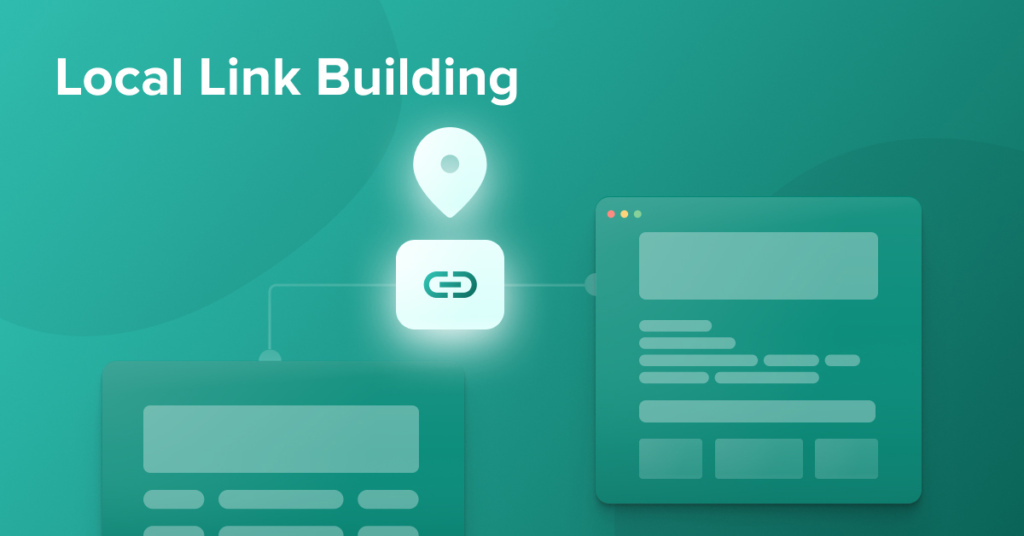
Now that we’ve covered all that and got everything related to your GMB account settled, I think it’s high time that I explain what you need to do to make search engines recognize your company as a genuine local one, and that is getting some relevant links.
This is how I build my local connections:
- Sponsor Local Events or Charities: There’s a reason this one’s a classic. Many local events, school athletic teams, or charitable organizations operate websites. By sponsoring them, you’ll usually be able to earn a link from their site.
- Partner with Complementary Local Businesses: Look for related local businesses that appeal to the same market but aren’t your competitors. If you’re a bakery, perhaps there’s a coffee shop that serves the same customers.
- Get Featured in Local Press or Blogs: Look for local media or blogs to contact. As long as you’ve got a story worth telling or advice to give out there, they’ll probably mention you, which will usually come with a link. This one is all about being a local resource.
- Join Local Business Associations: There are member listings on local Chambers of Commerce and industry associations that include a link along with their listings.
Building local links is about showing search engines that you’re deeply connected to your geographic area. It’s about earning trust and authority within your specific community, not just online in a general sense. This focus helps you appear higher in searches for people actually looking for businesses in your town.
Do not overlook creating content that could be of interest to other websites located in the same locality. This can include content such as a guide to local landmarks, a research report on local market trends, and even a page with information for the benefit of residents.
Step 7 – Create Location-Specific Content
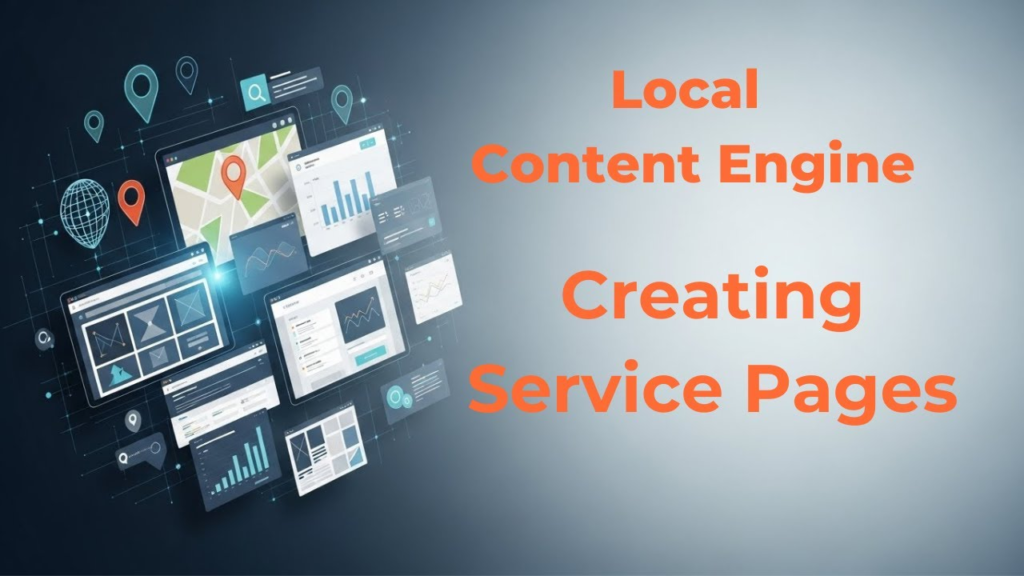
In my experience, one of the most effective strategies is writing content regarding issues that I can help to solve. If I own a landscaping company, for example, I may post articles titled “How to Get Rid of [Specific Local Pest] in Your Garden” or “Best Drought-Tolerant Plants in Springfield.”
This is what I am going to incorporate into my content creation strategy:
- Neighborhood Guides: I would like to feature some local places, such as a beloved local park or even a local store that catches my fancy, and somehow bring it around to being about my business.
- Local FAQs: What kind of questions am I being asked about my services by people who live locally? I’m going to write blog posts that answer these FAQs.
- Community Spotlights: I could feature interviews with other local business owners or local community members. Not only does this create connections, but it provides content.
- Seasonal Content: If it’s winter, Depending on what time of year it is, I would like to address different types of seasonal topics within my local niche.
The goal here isn’t just to fill up my website. It’s about becoming the go-to source for information related to my business in this specific location. When I do that, people start to trust me more, and Google notices that too. It’s about being helpful and relevant to the people right around me. I’ve seen how creating link-worthy local content can really make a difference [6ffc].
Also, I am considering having separate pages for all the service areas where I operate, if I operate in several towns.
Step 8 – Mobile Optimization and Page Speed

Sure, we have discussed numerous aspects required for promoting your local business through the web. But you will fail to achieve results if your site loads slowly or has issues with mobile optimization. Actually, today, more people use cell phones when looking for products and services available locally.
In my opinion, it is important to pay attention to:
- Speed it up: Try to test your site with such services as Google PageSpeed Insights. If you notice that your mobile performance score is low, then it’s high time to speed up. By speeding up, we mean ensuring that images aren’t too large to load for long and optimizing your codes.
- Mobile-first design: Your website should look nice and work properly on phones. What does proper work mean? It means that your buttons must be convenient to click, the font size must be optimal, and it will be easy to navigate through all pages.
- Core Web Vitals: Google pays attention to such metrics as Cumulative Layout Shift. It is about measuring the stability of the layout while loading pages.
Making sure your website is fast and works well on mobile devices is no longer optional. It’s a core part of how search engines decide who to show to people searching nearby. If your site isn’t up to par, you’re essentially telling potential customers to go somewhere else.
Consider this scenario: an individual requires the services of a plumber immediately and ends up discovering your website, but the page loads for what seems like eternity or you cannot locate the “Call Now” button.
Step 9 – Social Media Signals for Local SEO
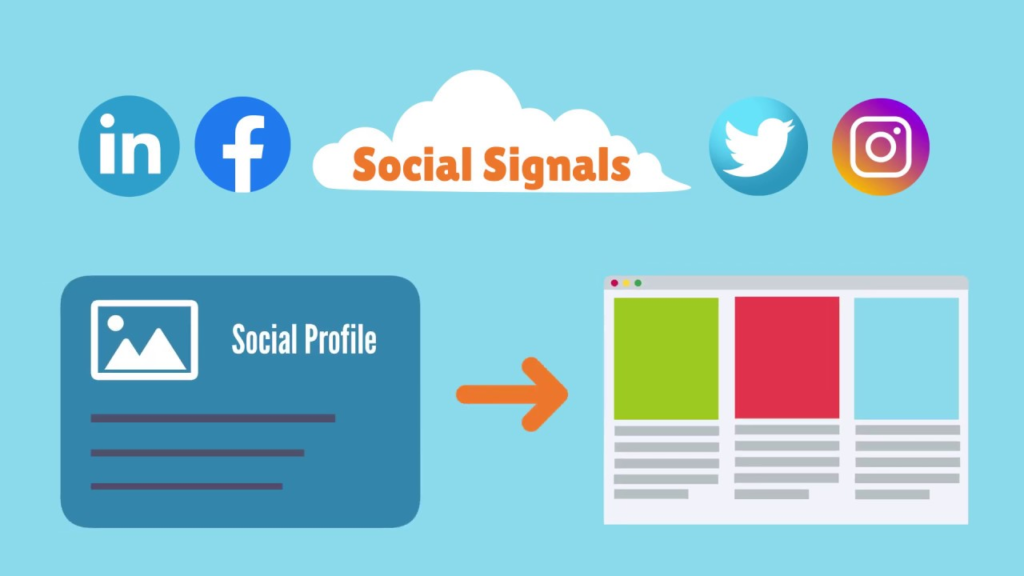
Well, you know, we have spent much time on Google and directories, but have we ever thought about the role of social media in improving our local SEO strategies? Social media may not be regarded as an important ranking factor for local search results; however, it has greater significance than we think.
So here is my plan for using social media in optimizing for local searches:
- Consistent Posting: I make an effort to post consistently on those platforms that are frequented by my local customers. It is not only about keeping up with the news, but also about making an engagement.
- Local Engagement: Another strategy that I am using is actively engaging in interaction with the other businesses in the area.
- Encourage Check-ins and Tags: I may encourage checking in on my Facebook page or tagging my business as well. There could be a little poster at my counter that would remind customers about this possibility.
Social media is where a lot of people, especially younger folks, find out about local places these days. If your profiles are active and engaging, it’s a strong indicator to search engines that your business is a real, happening place in the community. It’s not just about vanity metrics; it’s about demonstrating real-world activity and connection.
I also ensure that my social media pages contain correct NAP information similar to all other directories. This adds up to consistency, and links from social media accounts to my web site can also prove useful. The objective is to maintain consistency in my online presence across all platforms where my customers may be searching for me. I would recommend keeping a watch on the effects of social signals on local search rankings since this field is constantly evolving.
Step 10 – Track and Measure Your Local SEO Performance

You have already done all the hard work by optimizing your Google My Business, ensuring consistency in your NAPs, and creating unique content related to your city. All of that is great news! However, do you know whether it is helping you achieve success? There is no way to measure your efforts otherwise. It’s like setting out on a journey without the aid of a map or even your GPS system.
By 2026, it’s not enough to simply track the numbers on your website. You must understand how your business appears in searches. Usually, the first thing I look for when assessing someone’s Local SEO is:
- Google Business Profile Insights: Here’s where we begin. You can check the split between people that find your business from either searches or maps, the number of calls received, website clicks, and directional inquiries. These tell you what is motivating customers.
- Google Search Console: I love this resource. When I sort out the performance report by my location name, I get to find out which local keywords are sending visitors to my website. When I notice high impressions and low click-through rates, then I know my title tags and meta description might be in need of optimization.
- Rank Tracking Tools: Although the results are personalized, I do use ranking tools to get a sense of where I rank in relation to important terms.
You can’t really improve what you don’t measure. It’s easy to get caught up in the day-to-day tasks, but taking time to review your performance data helps you see what’s working and what’s not. This allows you to adjust your strategy and focus your efforts where they’ll have the biggest impact.
Do not neglect conversion events. Examples of such are “Click to call” and “Get directions,” which are crucial for local businesses. Conversion events are configured by me to monitor their progress. Additionally, there are several good free tools offered by Google, while BrightLocal can provide analytics reports. Periodic monitoring of search performance is a must for keeping things under control.
Wrapping It Up
Thus, there’s the overview of how to ensure that your business receives local exposure in 2026. As you can see, it’s quite a list, but, believe me, going through each of the listed steps helps greatly. This is not about achieving perfection at once, but rather about consistency and diligence. Just imagine yourself planting a garden. You do all the gardening work, and then you have a good harvest as a result. If you put in such efforts, I’m sure that you will be able to attract more local visitors to your store or website.
Frequently Asked Questions
What’s the main reason local SEO is so important for my business?
Local SEO is super important because it helps people who are actually near you find your business when they search online. Think about it: when someone needs a service or product right now, they usually search for it nearby. If your business shows up first in those searches, you’re way more likely to get them to visit or call. It’s like putting your shop right in front of the eyes of people who are already looking for you.
How often should I update my Google Business Profile?
I try to keep my Google Business Profile fresh by adding new photos and updates at least once a week. It’s also really important to check for new customer reviews daily and respond to them quickly. The more active and up-to-date your profile looks, the more Google seems to like it, and the more likely it is to show your business to people searching locally.
What does ‘NAP consistency’ mean for my business?
NAP stands for Name, Address, and Phone number. NAP consistency means making sure that your business’s name, address, and phone number are exactly the same everywhere it appears online – on your website, your Google Business Profile, social media, and any online directories. If these details are different even slightly, it can confuse search engines like Google and hurt your chances of ranking higher locally.
Why are customer reviews so critical for local SEO?
Customer reviews are like gold for local SEO! They not only tell potential customers that your business is trustworthy and good, but they also give search engines like Google valuable information. When I see lots of positive reviews, especially ones that mention specific services or locations, I know Google sees my business as a reliable choice. Plus, responding to reviews shows I care about my customers, which Google also notices.
How can I create content that helps my local SEO?
To help my local SEO with content, I focus on creating blog posts or website pages that talk about specific things people in my town or neighborhood might search for. For example, if I own a bakery, I might write about ‘the best birthday cakes in [my city]’ or ‘local bakeries for wedding desserts.’ It’s all about using words that local people actually use when they’re looking for what I offer.
Is it really necessary for my website to be mobile-friendly?
Absolutely! I can’t stress this enough. Most people search for local businesses on their phones these days. If my website isn’t easy to use and quick to load on a smartphone, I’m basically telling a huge chunk of potential customers to go somewhere else. Making sure my site works perfectly on mobile is a non-negotiable part of my local SEO strategy.
Want More Roofing Leads From Organic Search?
Dallas Search Solution builds high-converting city pages, storm damage content, and Google Business Profile systems that generate roofing leads at $20–$60 each — without paying for shared leads or ads that stop the moment you pause them.